
What is a Couche?
A Couche is a tool that has been in use by bakers for a very long time. It is a piece of linen, usually, flax-based that is 100% made of natural fiber. It will need to be untreated with chemicals and unbleached as this will make it food-grade. The Couche is used to support dough during its proving period and give it that typical look that we are all familiar with when it comes to baguettes. Linen is durable and preferred by many bakers for its flexibility.
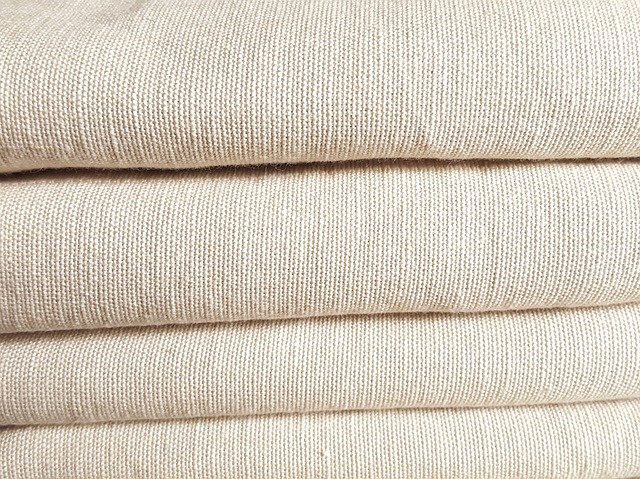
By laying the dough between the waves of the Couche, excess moisture is absorbed and prevents the proving dough from sticking to each other. The absorbing of the excess moisture from the surface of the dough will not dry out too much, it will however allow the baguette to produce that traditional chewy, thin, crunchy crust we all know and love. The Couche will have a sturdy construction that will extend its working life, including superior materials such as strong sticking to keep fraying at bay.
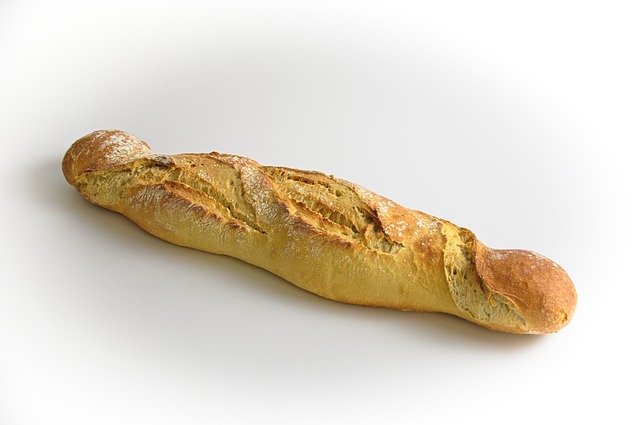
Warm, crusty, perfectly baked Baguettes are a dream of most of us, and producing them ourselves is a magnificent achievement. When it comes to the right baking tools, we may purchase some of the cheaper versions to save money. I will never tell you not to as I do that even now, however, when it comes to the mold or surface you are baking on, you need it to be safe your you to eat the finished product. And that is how it is will the bread Couche.
There are fake or substandard Couches everywhere nowadays. When shopping, scour the packaging for a maker and country of manufacture as it is so common for the “natural fiber” Couche to instead be made from all kinds of polyesters and non-natural fiber mixes. Using a natural Couche for many years, on the rare occasion that you need to purchase a new one, look for 100% natural fire. They will normally be made from flax or linen, and you will definitely need to look for Made in France or Made in Italy. These will be more expensive than those compared to similar products, but it is imperative that you buy the real thing. You will not be disappointed in your finished product, and you will know that there are no nasties getting into your bread.
Couche Use
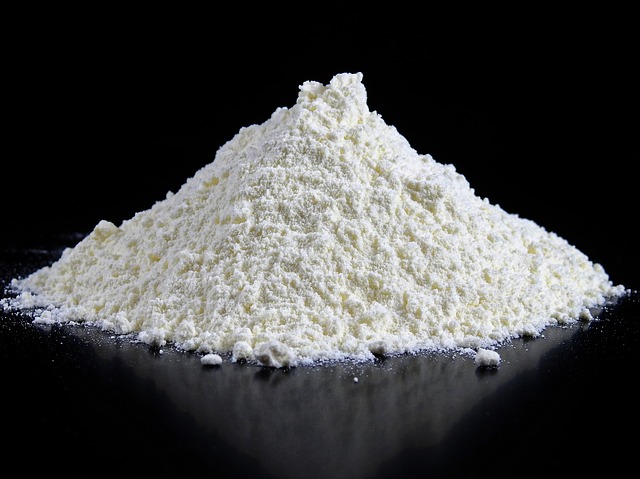
Using your Couche correctly will help it last for years, I have 6 and they are all 20 + years old. Spread the Couche out flat on your work surface, lightly flour the Couche evenly. If there is too much flour, or if it is in small clumps, it will spoil the texture and appearance of the crust when baked. All you need to do is either shake or brush off the excess. Using a small sifter will help you spread the flour evenly.
Fold the Couche into 3 or four gutter shapes, or waves. This is where the dough will site and prove. The Couche needs to have the body to keep its shape and that of the dough, therefore a good quality lined/flax fiber is used. Once the dough has proved for the sufficient amount of time you require, simply turn the dough out onto your baking surface.
Couche Cleaning
After using the Couche, simply brush off excess flour and air dry. If your dough has stuck a little, simply let it air dry and gently scrape off with a wooden or plastic tool. Don’t exert too much force when doing this to avoid tearing or cutting holes in the linen. This comes from experience; I keep my first Couche as a reminder to be gentle when baking.
Air-dry your Couche
Once your baking has finished just hang the Couche out flat to air dry. I tend to dry inside on a drying rack. Once finished just roll it up loosely and store it in a dark, dry cupboard.
Most bakers never wash their Couches, as water will wash away the floury surface that is built up. This is what makes the baguettes super crusty crust. On the off chance that you need to wash it, due to a chocolate spill or similar, wash it in lukewarm tap water. This will cause the Couche to become rigid and hard to work with. Give it some time and it will come back to its pliable self.